/2025/06/20/320918768.jpg)
STOCK MARKET - Global chemical supply chains are facing severe structural bottlenecks, pushing methanol benchmarks up by a massive 60.44% over the past month according to Trading Economics data up to September 11, 2026.
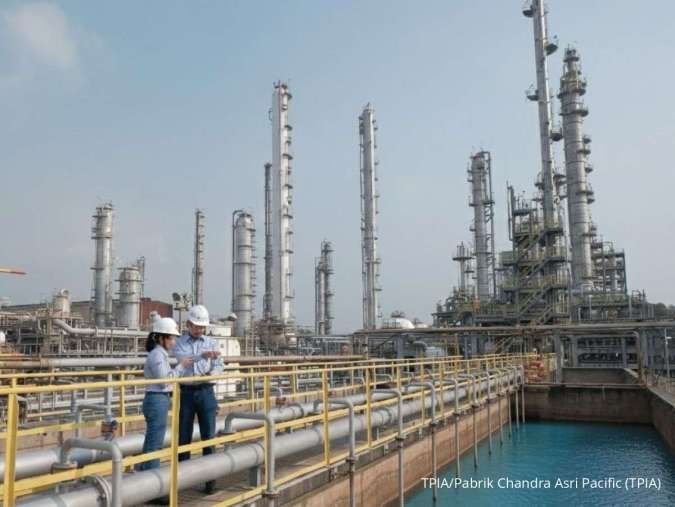
While the sudden price spike has injected positive sentiment into Indonesia’s premier chemical conglomerate, PT Chandra Asri Pacific Tbk (TPIA), market analysts warn that the rally does not act as a direct proxy for immediate earnings acceleration.
Senior Market Analyst Nafan Aji Gusta from Mirae Asset Sekuritas noted that because methanol is not TPIA's primary revenue anchor, the absolute price movement offers limited direct bottom-line impact. Instead, the focus must remain squarely on wider petrochemical spreads—the margin between downstream product prices (olefins and polyolefins) and raw naphtha feedstock costs.
Read Also: Indonesia’s BBCA Books IDR 40 Trillion Net Profit as Lending Soars 10.5%
Geopolitical Friction and the Straits of Hormuz Factor
The underlying catalyst behind the 60% methanol surge reflects tight chemical supply networks across Asia rather than booming demand. The commodity found intense pricing support following low utilization rates among Iranian chemical processors and escalating maritime trade disruptions running through the Straits of Hormuz.
"The rally represents a geopolitical risk premium rather than a structural upcycle," stated Investing Journey ID founder Briant Stevanus. For TPIA, the corporate risk structure is dual-faceted:
- Legacy Cilegon Petrochemical Assets: Surging crude and naphtha prices (up 25% in some tranches) risk squeezing chemical processing margins if feedstock costs outrun final product selling rates.
- Integrated Assets via Aster Singapore: TPIA’s recent acquisition of integrated refinery and cracker infrastructure acts as a strategic hedge, allowing the firm to capture enhanced Gross Refining Margins (GRM) to offset raw material cost pressures.
Read Also: Ousted Indonesia Finance Minister Says He was 'Upset', but Half Expected Removal
Defending Margins Ahead of the 2027 Supply Normalization
First-half corporate data underscores that TPIA’s newly integrated Energy segment has overtaken its legacy Chemicals wing as the primary earnings engine.
Financial desks are heavily cautioning against declaring a full-scale sector recovery, citing weak downstream manufacturing demand from China and the impending reactivation of cheap, coal-based methanol facilities in late September.
A true structural turnaround for the regional petrochemical sector is widely projected to defer until the 2027–2028 horizon, when long-term supply rationalization finally clears regional oversupply blocks.
Read Also: GLOBAL MARKETS-Asian Shares Waver as Oil and Yields Rise Ahead of Fed, BOJ Meetings
Over the current multi-year holding horizon, institutional portfolios are advising a highly selective outlook on TPIA equity, assessing their upgraded S&P Global ESG score (surging from 52 to 66 in 2026) as a booster for sovereign institutional credibility, while monitoring whether raw energy inputs collapse current Q3 margin expansion frameworks.