/2026/09/15/1427186562.jpg)
STOCK MARKET - JAKARTA. Indonesian stocks led declines across Asian stock markets on Tuesday, while the rupiah weakened past the 18,000-per-dollar level as investors grappled with a new exchange rule on minimum share prices alongside pressure from rising global bond yields.
The Jakarta Composite Index dropped as much as 2.2% to its lowest since mid-July.
A new rule from Indonesia's stock exchange slashing the minimum price at which shares can trade came into effect on Monday, with the floor falling to 1 rupiah from 50.
The change allows stocks previously stuck at the exchange's minimum trading threshold to move lower based on market forces, potentially increasing near-term volatility while bringing Indonesia's market structure more in line with major global exchanges.
Read Also: Indonesia to Inject $1.1 Billion Into Health Insurer BPJS Kesehatan
The reform was aimed at improving liquidity and price discovery to ease pressure on the equity market after a downgrade warning from MSCI in January over opaque ownership, weak free float visibility and unreliable trading data triggered a steep selloff, with the benchmark down more than 30% so far this year.
A slate of stocks fell by over 14%, close to the maximum the exchange permits in a single trading day. That included ride-hailing firm GoTo Gojek Tokopedia, which has dropped 14% in both sessions and is currently trading at 37 rupiah per share.
Trimegah Sekuritas Indonesia Chief Economist Fakhrul Fulvian said that for stocks previously constrained by the 50 rupiah floor, the new rule allows the market to express a lower clearing price, adding, "Some of the sharp moves are effectively delayed price discovery."
The adjustment to the rule is pressuring the index right when it is already weighed down by higher global yields, which raise the discount rate for emerging-market equities, Fulvian said.
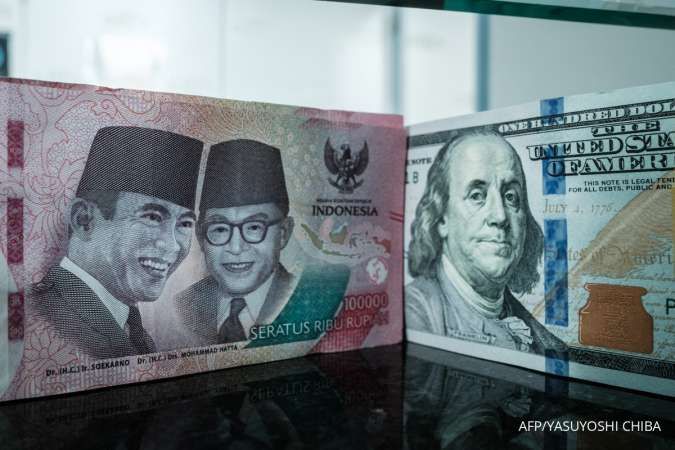
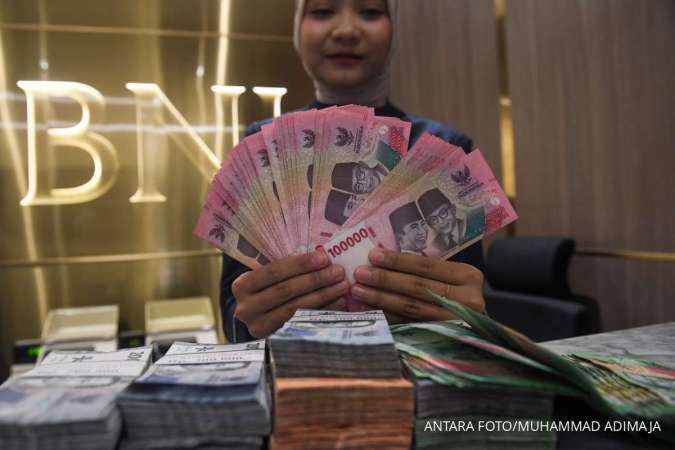
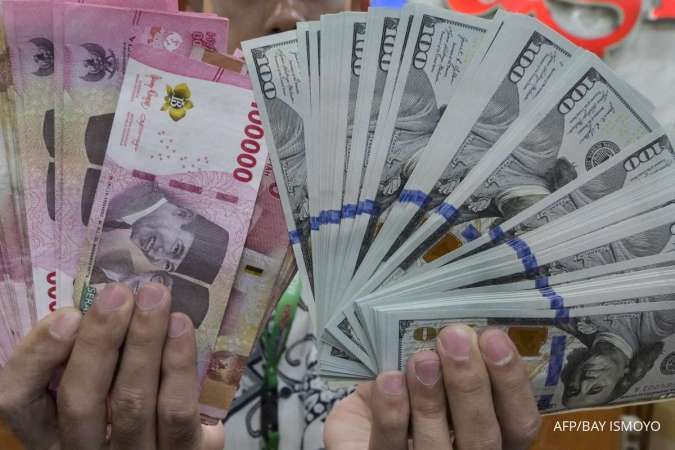
The rupiah briefly breached the psychologically important 18,000 mark against the dollar, and hovered close to it throughout the session, amid broader weakness in regional currencies as oil prices and US Treasury yields dragged.
Currencies of other net oil importers, such as the Thai baht and the Indian rupee, retreated around 0.1%, while the Taiwan dollar weakened to 31.842 per dollar.
The Korean won was the sole advancing currency, with Goldman Sachs analysts saying in a note that AI-driven investment and current account surpluses are likely to benefit the won into next year.
Read Also: GLOBAL MARKETS-Stocks Wobble as Bonds Slump to Monthly Loss
Other emerging Asia equity markets also traded in the red, with MSCI's gauge of EM Asia equities down 0.2% to its lowest since September 18.
The South Korean benchmark index declined for a second straight day, down 1%, while shares in Taiwan fell 0.7%.
Stocks in Kuala Lumpur slid around 0.9%, while those in Thailand and Singapore each lost about 0.4%.