/2016/06/13/139200853p.jpg)
The Indonesian Beef Producers and Lot Feeders Association (Apfindo) said the country needed about 169,000 tons of beef for this year’s Ramadhan and Idul Fitri, the biggest holiday in the world’s largest Muslim-majority country. The stock of local beef, meanwhile, only stands at about 113,000 tons.
Earlier this month, the government announced that it would import 27,400 tons of beef in hopes of forcing the price down to Rp 80,000 (US$6) per kilogram, from around Rp 120,000 per kg at present.
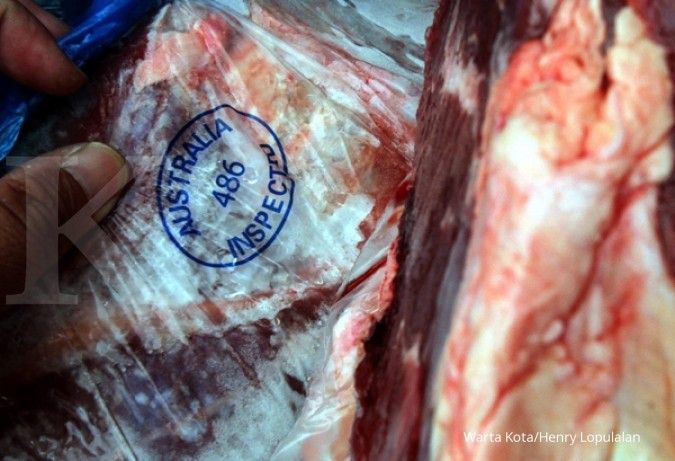
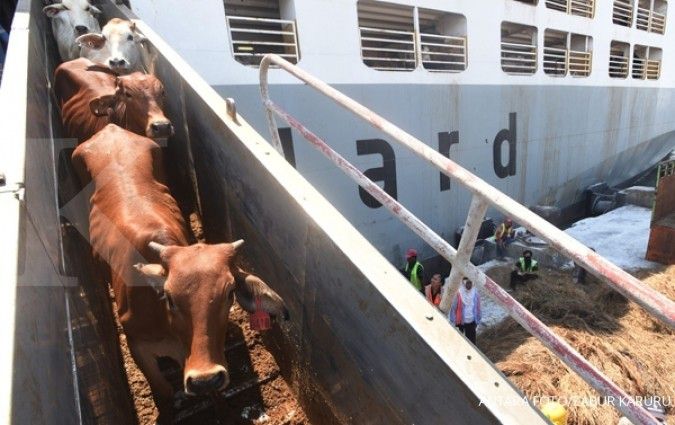
Importer PT Indoguna Utama is among the companies tasked by the government to import frozen beef. The company has been tasked with importing 1,000 tons of beef over the next two weeks to be sold at subsidized-goods markets at government and police offices. The frozen beef, imported from Australia, New Zealand, the US and Japan, will be sold at Rp 70,000 per kg.
However, Indonesian consumers and restaurateurs might be hard to win over.
Restaurateur Longway Sanjaya, 59, said that fresh beef was important to ensure his dishes were of high quality.
“We’re worried about using frozen beef as we don’t know how long it’s been stored for. When it comes to fresh beef, we know that it’s only been a day or two [since the animal was slaughtered],” said Longway, who owns a Chinese restaurant on Jl. Hayam Wuruk, West Jakarta.
He, however, said he was willing to switch if frozen beef was cheaper. “But I have to make sure the meat is still in good condition.”
Institue for Development of Economics and Finance (INDEF) executive director Enny Sri Hartati said frozen beef could be a short-term solution, but traditional markets still lacked proper infrastructure to support the plan. For a long-term solution, she said, the government should instead focus on increasing production to minimize its reliance on imports.
“Frozen beef for industry and horeca [hotels, restaurants and cafes] is fine because they have cold storage facilities and refrigerator trucks. But traditional wet markets don’t have this luxury,” she said. (Dewanti A. Wardhani)