/2024/01/03/1607544168.jpg)
CORRUPTION CASE - JAKARTA, Feb 11 - The Indonesian Attorney General's Office said it had arrested 11 people, including officials from the customs office, for alleged corruption aimed at avoiding mandatory domestic sales of crude palm oil and paying export taxes.
The 11 people arrested included two lower-level officials at regional customs offices in Bali and Riau provinces, an official at the Industry Ministry and eight corporate executives, Anang Supriatna, spokesperson for the Attorney General's Office, said in a statement issued late on Monday.
Read Also: Indonesia Says Proposed Gaza Peacekeeping Force Could Total 20,000 Troops
The executives and the companies they work for were not named in the statement.
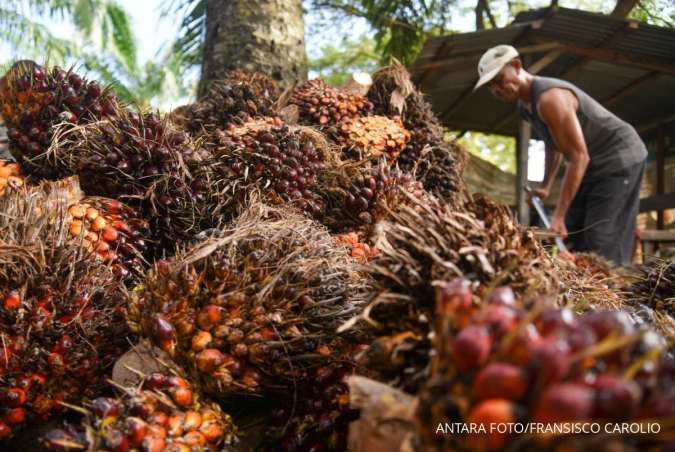
The suspects are alleged to have classified exports of crude palm oil as byproducts of crude palm oil between 2020 and 2024, with losses to the state estimated at between 10.6 trillion rupiah ($630 million) and 14.3 trillion rupiah ($850 million), Supriatna said in the statement.
"This classification manipulation was carried out with the aim of avoiding the CPO export curb, so that commodities that are essentially CPO could be exported as if they were not CPO and be exempted or relieved from the obligations imposed by the government," Supriatna said.
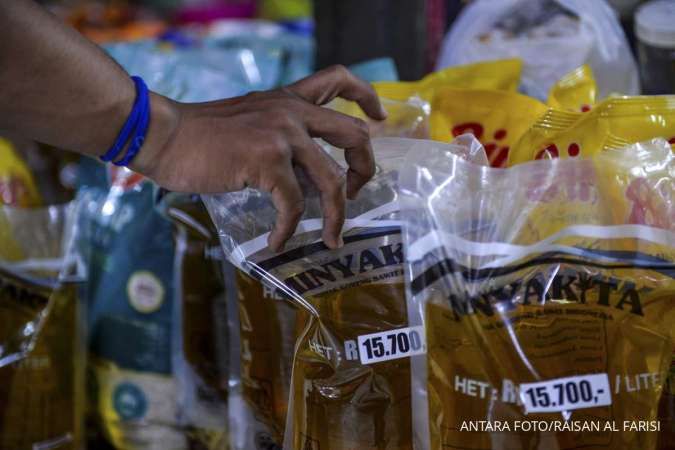
Indonesia has a Domestic Market Obligation for palm oil that requires exporters to sell a portion of their production to the local market as a prerequisite for obtaining export permits, to secure domestic cooking oil supply and stabilise prices.
Read Also: Indonesia Distributes $648 Million in Subsidies for Palm Oil Replanting Programme
It also imposes export levies on palm oil products, with rates for crude palm oil being the highest while refined products incur lower rates.
The three state officials were allegedly receiving kickbacks "to smooth the administrative and supervisory process of exports," Supriatna said without giving further details.
The suspects were accused of violating an anti-corruption article in the country's Criminal Code, under which they could face a maximum sentence of life imprisonment.