/2021/08/01/435046556.jpg)
PALM OIL - MUMBAI/JAKARTA/SINGAPORE, May 20 - Indonesia's move to channel palm oil exports through a central agency could disrupt supplies of the world's most traded edible oil, concentrating pricing power and potentially boosting exports from No. 2 producer Malaysia.
President Prabowo Subianto on Wednesday said the government will require exports of palm oil, coal and ferroalloys to go through a state agency, as it seeks to tighten control over natural resources and boost state revenue.
Read Also: Indonesia to Bring Commodity Exports Under Centralised Control, President Says
Indonesia accounts for more than half of global palm oil shipments. Its past export-restricting moves to prioritise local sales and boost supplies for biodiesel have lifted prices of palm oil as well as rival edible oils like soyoil and sunflower oil.
The palm oil market was already facing tighter flows from rising biodiesel demand and dry El Nino-related weather. Benchmark Malaysian palm oil futures were recently trading down 0.1%, after having climbed about 2% earlier following Prabowo's announcement.
"The palm oil market is trying to adjust to rising energy prices driven by the Middle East conflict," said Aashish Acharya, vice president at Indian edible oil importer Patanjali Foods.
"Indonesia's move is likely to add another layer of uncertainty and increase volatility in the market."
Read Also: Indonesia's Prabowo Announces 2027 Fiscal Deficit Target of 1.8% to 2.4% of GDP
PRICING POWER
Industry participants said the move could reshape Indonesia's palm oil trading structure by concentrating pricing power and altering existing market mechanisms.
"A centralised export mechanism could undermine the current market-based trading ecosystem by concentrating pricing power within a state-linked entity," said M.R. Chandran, the former head of the Malaysian Palm Oil Association.
"This may increase market uncertainty, reduce transparency and introduce greater political influence into commercial trade flows."
Chandran said Malaysia could benefit as buyers looking for more stable policies and supply diversification may turn more to its palm oil.
Read Also: Indonesia Plans to Tighten State Control Over Commodity Exports
Eddy Martono, chairman of the Indonesian Palm Oil Association, said established trade relationships with overseas buyers could be at risk if export flows are centralised without careful management.
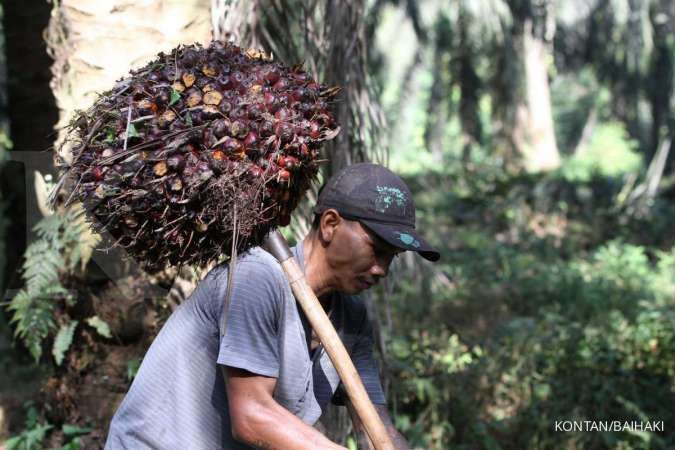
Indonesia has millions of small growers who could be at a disadvantage under the new structure, said Mansuetus Darto of POPSI, a group representing small palm oil growers.
"When the number of buyers shrinks and market access is controlled by a single point, farmers' bargaining power automatically decreases," Darto said.
"In such a situation, farmers will increasingly become price takers."
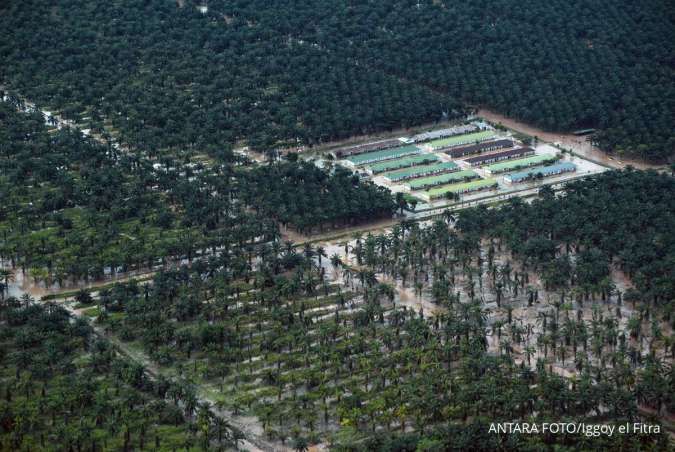
Indonesia was already cracking down on illegal oil palm plantations and handed over 4.12 million hectares of estates to state-owned Agrinas Palma Nusantara.
Read Also: Indonesia Will Build Defence Capability Further as Air Force Receives Rafale Jets
The market is seeking certainty over supplies as El Nino-related weather is expected to trim production in the second half of the year.
Indonesia's move is likely to tighten supply further, said a Mumbai-based dealer with a global trading house, who declined to be named in line with company policy.