/2026/07/15/1720082534.jpg)
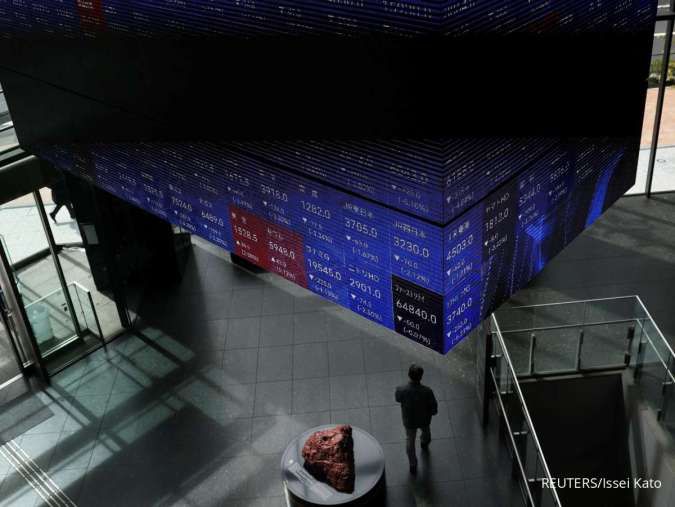
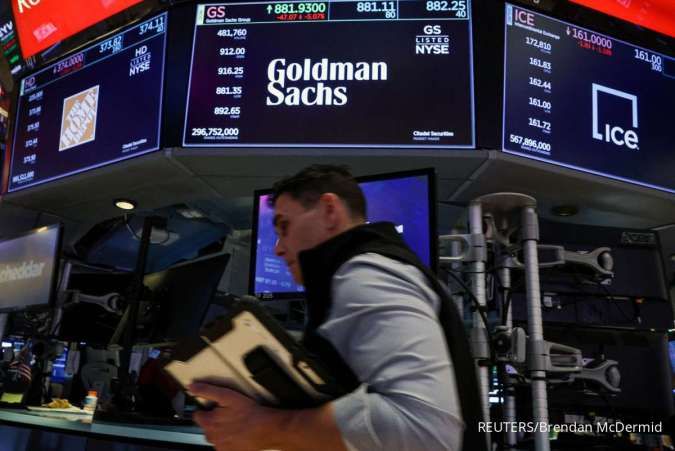
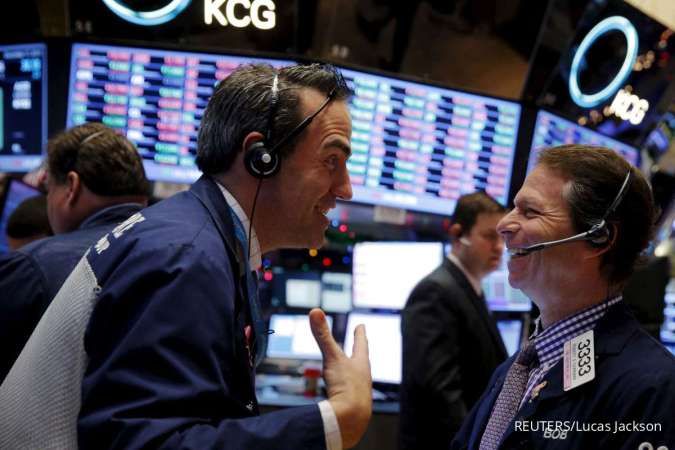
GLOBAL MARKET - LONDON. Stocks were mixed on Monday while oil prices tumbled and Treasury yields dropped after the United States and Iran paused strikes over the weekend, halting two weeks of attacks.
The news raised hopes of a diplomatic solution that would de-escalate the conflict and allow shipping to resume through the Strait of Hormuz. Investors remained cautious, however, as tensions remained high.
President Donald Trump said on Monday the United States was having "good talks" with Iran, and there was a chance of a deal over their conflict, but added that U.S. strikes would resume if the negotiations failed to deliver.
"What markets are struggling to digest is we're in the consistent kind of back and forth where it seems like, again, Donald Trump is showing his ability to control sentiment despite investors really not having a viable off-ramp or an end to the war and durably lower oil prices," said Jeff Klingelhofer, managing director at Aristotle Pacific Capital in Newport Beach, California.
Read Also: Indonesia's Prabowo Approval Rating Drops to 51.1%, Survey Finds
Central bank interest rate decisions and key tech company earnings due this week were also keeping some investors on the sidelines.
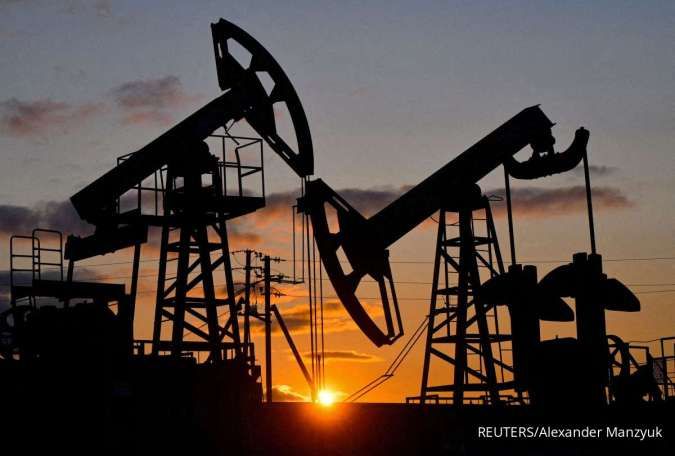
U.S. crude fell 8.21% to $81.98 a barrel, and Brent fell to $87.77 per barrel, down 9.31% on the day.
The yield on benchmark U.S. 10-year notes fell 3.03 basis points to 4.649%, from 4.679% late on Friday.
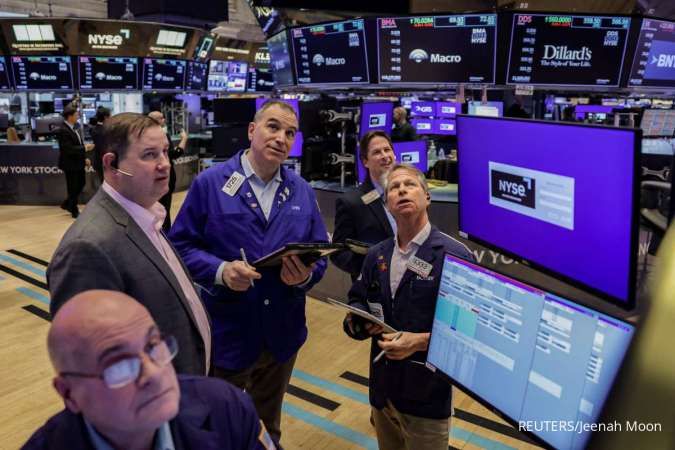
The Dow Jones Industrial Average was the best-performing major U.S. stock index, rising 262.98 points, or 0.51%, to 52,210.23, the S&P 500 rose 1.24 points, or 0.02%, to 7,413.22, and the Nasdaq Composite fell 43.74 points, or 0.17%, to 24,932.08.
The pan-European STOXX 600 index rose 0.02%, while Europe's broad FTSEurofirst 300 index fell 1.11 points, or 0.04%.
CENTRAL BANKS IN FOCUS
The U.S. Federal Reserve is expected to hold rates steady when its two-day meeting concludes Wednesday, though traders see a risk of a hike. Fed expectations have been whipsawed after the recent uptick in oil prices reignited inflation fears.
Fed Chairman Kevin Warsh's preference for less forward guidance is adding to the uncertainty over whether the central bank will raise rates.
Fed funds futures traders are currently pricing in 38% odds of a hike on Wednesday and an 83% probability of an increase by September.
"A hold is the most likely outcome, though a few dissenting votes in favor of a hike are possible," Edward Jones senior analyst Brian Therien said in a note.
Read Also: Indonesia Central Bank Governor Perry Warjiyo Steps Down in Surprise Move
The Bank of England will announce its policy decision on Thursday, followed by the Bank of Japan on Friday. Both are expected to hold rates steady while flagging continued caution about inflation risks ahead.
The dollar dipped 0.07% against the yen to 163.73. In commodity markets, gold climbed 0.73% to $4,082.16 an ounce.
Investors are also watching corporate earnings, with roughly one-third of S&P 500 companies due to report this week.
Results from "Magnificent Seven" members Microsoft, Amazon.com, Meta and Apple will be seen as a key test of the AI trade.
Negative cash-flow reports from Alphabet and Tesla last week added to concerns about debt-fueled corporate spending, while Chinese chipmaker CXMT's strong stock market debut signaled intensifying competition for the U.S. semiconductor industry.
Read Also: Indonesia Central Bank Keeps Rates Unchanged, Defying Hike Expectations
On the data front, the week's highlights include the U.S. advance second-quarter GDP reading. The June PCE price index, personal income and consumption data, weekly jobless claims, the second-quarter employment cost index, and the July Michigan consumer sentiment survey round out the calendar.
Data on Monday showed that new orders for key U.S.-manufactured capital goods increased strongly in June while shipments surged by the most in 4-1/2 years as businesses ramped up spending on artificial intelligence, suggesting the economy maintained a fairly strong pace of growth in the second quarter.
In the euro zone, the data schedule includes flash second-quarter GDP, July economic sentiment and consumer confidence, flash inflation, and June unemployment figures. The Ifo Institute's survey on Monday showed German business morale improved more than expected in July, driven by significantly stronger expectations.
Only Rp5,000 to continue reading.