/2026/04/13/1268065458.jpg)
STOCK MARKET - JAKARTA. Indonesia's rupiah and stocks declined on Friday after index compiler MSCI renewed concerns over the country's investability, while South Korean shares closed marginally lower in a choppy session.
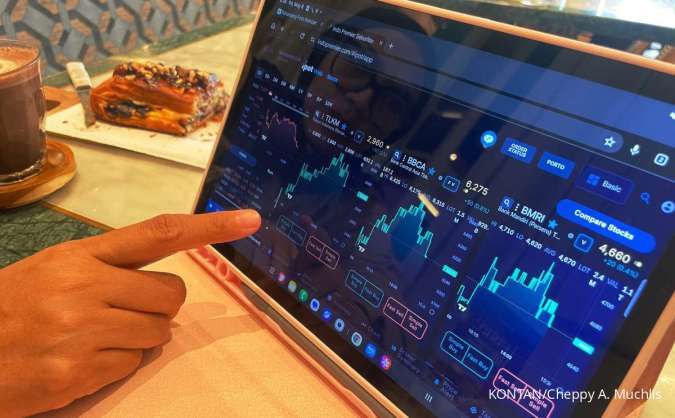
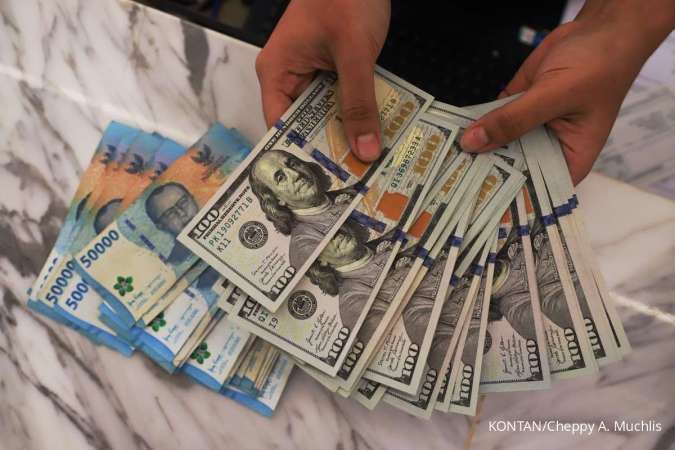
Indonesia's benchmark Jakarta Composite Index fell as much as 0.9% after struggling for direction initially, while the rupiah dipped as much as 17,850 per dollar before recouping to around 17,775 by noon.
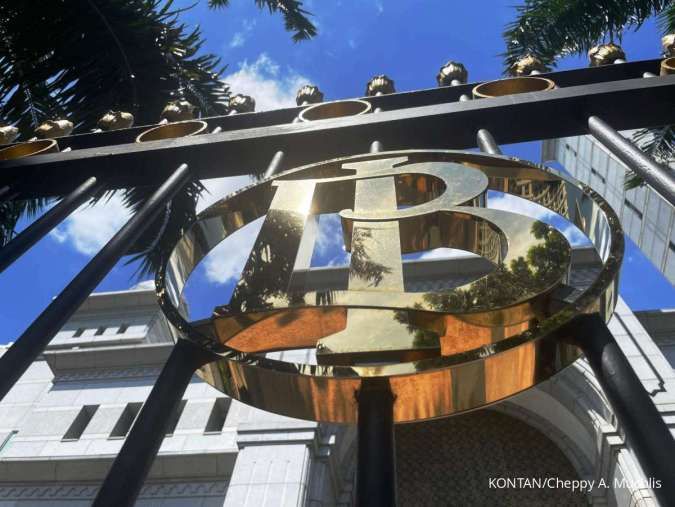
A warning from MSCI on limited visibility in shareholdings and coordinated trading behaviour, along with a downgrade of Indonesia's information flow criterion to negative, has dealt a fresh blow to already battered capital markets.
Foreign investors have pulled around $3.65 billion in 2026 from Indonesian equities as MSCI's scrutiny sharpened concerns about President Prabowo Subianto's populist government and fiscal worries that drove the rupiah to record lows in the past months.
Read Also: Indonesia Rupiah Weakens, Stocks Choppy after MSCI Flags Fresh Transparency Woes
A major follow-up test will be an MSCI market classification review next week. While most market participants expect Southeast Asia's top economy to retain its "emerging markets" status, a downgrade to "frontier" could trigger another bout of outflows.
"Critically, the weaknesses are concentrated in governance and market organisation quality, not the structural pillar that determines index classification," analysts at Citi wrote.
"A '-' (downgrade) here (on information flow) speaks directly to concerns global investors have voiced around shareholding transparency, free-float quality and the integrity of price discovery in certain Indonesian names."
Inki Cho, senior financial market strategist at Exness, said a downgrade would land badly on top of existing fiscal strain, adding, "Add downgrade-driven outflows...and Prabowo's spending ambitions become much harder to fund without rattling rating agencies further."
Separately, MSCI also flagged persistent concerns over Turkey's investability and â??lowered its information flow criterion to "negative", citing limited transparency in shareholding structures.
STOCKS SLIP FROM RECORDS
The MSCI EM Asia gauge fell nearly 1% in afternoon trade, pulling back from a record high, as South Korea's KOSPI closed down 0.1% after a 17% surge over the past six sessions, fuelled by a rush into chipmakers.
The South Korean benchmark swung between a 3.6% gain and 2% loss through the day. Market holidays in the U.S. and Taiwan thinned trading activity, and signs of an early snag in U.S.-Iran ceasefire talks lifted oil prices and dampened risk appetite.
Israeli strikes in southern Lebanon and U.S. Vice President JD Vance's cancellation of talks with Iranian negotiators raised fresh concerns about peace prospects, prompting investors to pare equity exposure.
Singapore stocks edged 0.8% lower, retreating from an all-time high in the previous session. Equities in the Philippines also pared early gains to dip 0.3%, while the peso fell to 60.779 per dollar.
Read Also: Indonesia Central Bank Raises Policy Rates Again to Support Rupiah
The country's central bank raised key rates for a second consecutive meeting on Thursday. Malaysian stocks lost 0.6%, while the ringgit weakened to a near seven-month low of 4.145 against the dollar.
Data showed exports rose by 45.3% in May from a year earlier, driven by sustained demand for electrical and electronic products. Shares in Thailand slipped around 0.7%, while the baht fell to a one-week low of 32.98 a dollar.
Financial markets in Taiwan were closed for a holiday.