/2025/12/04/430604069.jpg)
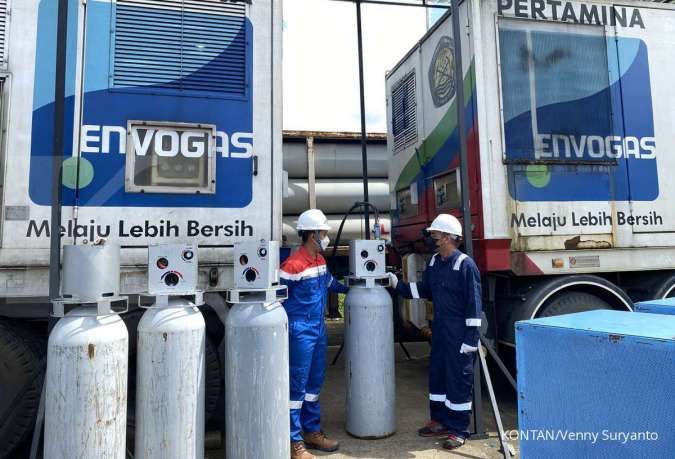
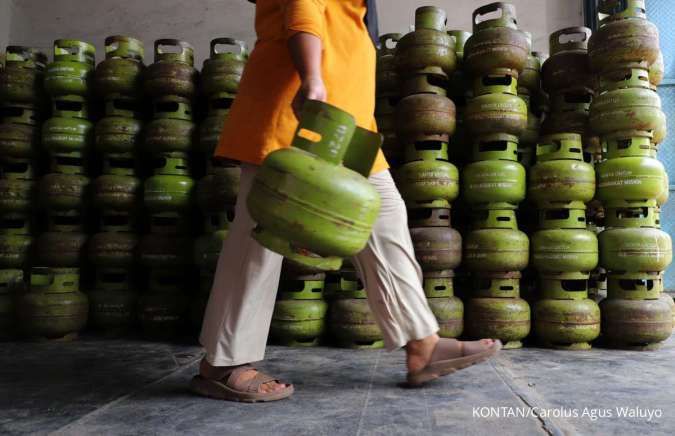
ENERGY - The Indonesian government has entered the final validation phase of a sweeping energy substitution initiative, pushing a strategic conversion of subsidized 3-kilogram Liquefied Petroleum Gas (LPG) canisters into Compressed Natural Gas (CNG) cylinders to shore up its sovereign fiscal reserves.
According to the Ministry of Energy and Mineral Resources (ESDM), the administrative pilot project has successfully reached its third week of technical testing at the Lemigas research facilities.
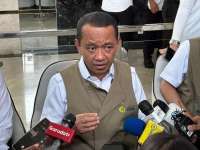
"We are currently entering the third week of trials," stated Laode Sulaeman, Director General of Oil and Gas at the ESDM Ministry, during a state event in Jakarta on Monday (21/9/2026).
The government plans to extend the trial window for another two weeks to lock in a comprehensive one-month performance dataset before mapping out a multi-stage commercial rollout.
Read Also: Indonesia Grants Bayan Resources 15-20 mln Tons of Additional Coal Mining Quota
Mitigating a Structurally Declining Domestic LPG Trend
For international sovereign credit desks and global macro hedge funds monitoring Indonesia’s trade balance, this structural intervention directly tackles a compounding trade deficit.
State tracking indicates that Indonesia's domestic LPG production has suffered a continuous structural decline since 2012, forcing the country to aggressively expand overseas fuel procurement to meet the consumption demands of its growing population.
The resulting double whammy includes:
- Expanding Subsidy Leaks: Escalating burden on the state budget (APBN) to keep retail prices artificial.
- Foreign Currency Drain: Elevated depletion of national foreign exchange reserves to bankroll high-volume offshore fuel imports.
By pivoting toward CNG—a resource that leveraging Indonesia's extensive, underutilized domestic natural gas networks—the state expects to achieve a drastic 30% reduction in total energy delivery and subsidy costs compared to legacy LPG tranches.
Read Also: Indonesia's AMMN, BUMI Slide Over 4% as LQ45 Losses Widen; MBMA Bucks the Trend
Enhancing Capital Efficiency on the Long-Term Horizon
"Our domestic LPG volumes have been shrinking since 2012. Given our population growth curves, we will face an uncontrollable spiral of LPG imports if we fail to transition toward alternative domestic energy vectors," Sulaeman warned.
While the exact operational details of the next deployment phase remain tightly held by the ministry, the structural transition directly improves the country's long-term sovereign profile.
For emerging-market asset managers, the successful commercial execution of the CNG conversion program serves as an essential qualitative catalyst.
It demonstrates that the current administration is actively de-risking its state balance sheet from external commodity shocks and structural import dependencies, bolstering the long-term macroeconomic stability and resilience of the Indonesian Rupiah against global inflationary forces.
Read Also: Indonesia Grants Bayan Resources 15-20 Million Tons of Additional Coal Mining Quota